
Data flow
Historian, SCADA, MES, ERP, LIMS, and laboratory data. Normalization, measurement units, and signal quality.
Physics-first industrial intelligence
A unified digital twin for a steel plant: asset models, live telemetry, quality forecasting, and scenario optimization.
GSOS contains the essential foundation for lights-out manufacturing: a connected digital twin, telemetry, physics-first models, forecasting, and optimization. Autonomy emerges step by step after accuracy and safety are validated.
For steelmaking, the honest starting point is an advisory layer for one process route. The operator sees the causes, compares scenarios, and approves an action. Closed loop is possible only after reproducibility is proven.
Collect signals and verify their quality.
Calculate the state and forecast KPI.
Recommend a scenario and explain why.
Increase autonomy only after validation.
Every calculation must leave a trace: input data, model version, applicability limits, operator recommendation, and actual outcome.
Historian, SCADA, MES, ERP, LIMS, and laboratory data. Normalization, measurement units, and signal quality.
Formula versions, parameters, calibration, applicability limits, and reproducible calculations.
Assets connected through material, energy, and information flows.
The current calculated state and forecast for the selected process route.
What-if scenarios for raw materials, operating modes, energy, time, equipment, and constraints.
Deviation causes, recommendations, operator approval, and a complete decision log.
Not the entire plant at once. We select an asset or route with available data, clear physics, and a measurable outcome: quality, energy, yield, cycle time, or CO₂.
Process boundary, assets, roles, signals, KPIs, constraints, and accuracy criteria.
History, frequency, gaps, measurement units, and a read-only gateway across the OT/IT boundary.
A versioned model, calibration, and verification against an agreed set of historical cases.
A baseline and two or three what-if scenarios with forecasts and confidence intervals.
The operator accepts or rejects a recommendation; the system records the decision and actual outcome.
Clickable prototype
The demo interface presents a plant graph, mock telemetry, quality forecasting, and scenario mode. It is not connected to a real plant; it is a working model of the future flow.
Launch simulationManufacturing, accounting, integrations, process management, AI, and systems architecture are the capabilities that turn a complex domain into a working product.
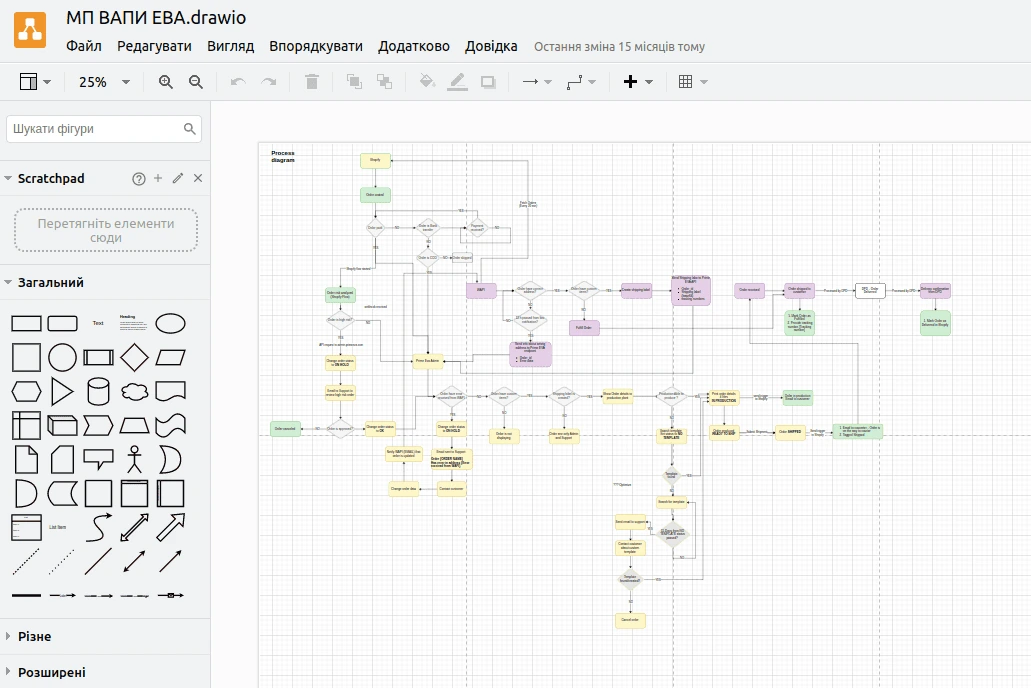 Manufacturing
A manufacturing and accounting backbone with integrations, inventory, and internal operations.
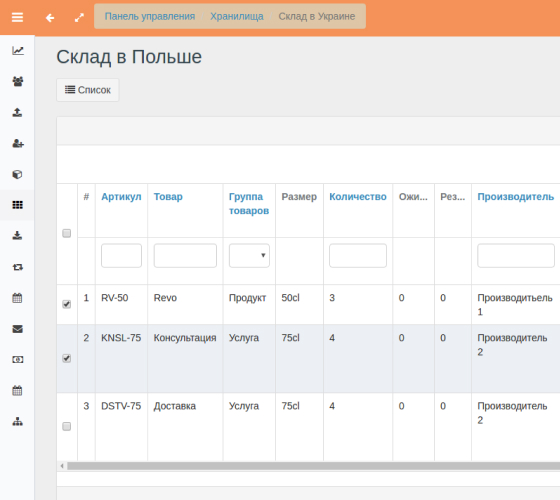 Operations backbone
Batches, materials, inventory movement, statuses, rules, and controlled enterprise processes.
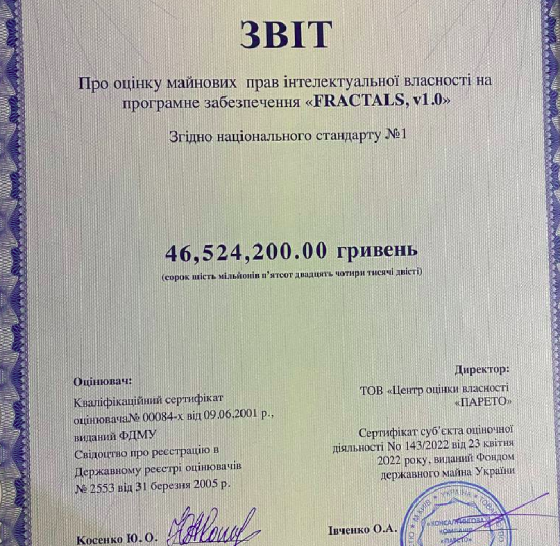 Architecture
 of complex systems where the data model and interfaces are designed as one product.
 AI + SaaS
A production SaaS platform with an AI layer, integrations, and manufacturing logic.
Commercial route
The available data is not enough for an honest estimate of the complete GSOS. The first paid phase turns the idea into an architecture, model registry, prototype, PoC criteria, and a basis for a fixed-price estimate.
Next step
An NDA, the plant documentation package, and a 90-minute technical workshop are the next rational step toward Real Dark Factory.
Discuss the project on Telegram